

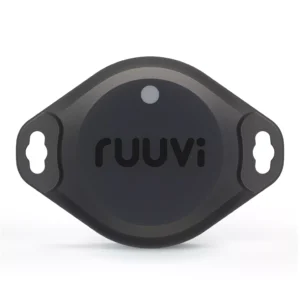

Integrating BLE IoT devices with AoA
Integrating Bluetooth devices on a Bluetooth AoA network, which is best suited for wireless inventory tracking, cold chain monitoring and remote worker tracking.
Before diving into the deployment process, it’s essential to grasp the core concepts of Bluetooth indoor positioning systems
- Bluetooth 5.1 AoA is a decentralised networking protocol that enables long-range, low-power communication between devices.
- Anchors: Specialised nodes using Bluetooth devices on a LoRaWAN network act as reference points for localisation and other applications.
- Bluetooth Low Energy (BLE): A wireless technology used for short-range communication between devices.
Key Steps in Deploying Bluetooth devices and AoA Anchors
Network Planning and Design:
- Define Coverage Area: Determine the physical area where you need to deploy the LoRaWAN anchors.
- Anchor Placement: Strategically position anchors to ensure optimal coverage and accuracy. Consider factors like wall materials, obstacles, and desired precision.
- Anchor Density: Determine the appropriate number of anchors based on the size of the area and the desired level of accuracy.
- Network Topology: Plan the overall network structure, considering factors like redundancy and scalability.
Anchor Configuration:
- Hardware Setup: Configure the hardware components of the anchors, including antennas, power sources, and any additional sensors.
- Software Configuration: Install the necessary RipplesIPS indoor positioning system and configure the anchor’s role, parameters, and communication settings.
- Identification: Assign unique identifiers to each anchor for easy management and tracking.
Network Deployment:
- Physical Installation: Mount the anchors securely at the predetermined locations. Ensure proper orientation of antennas for optimal signal strength.
- Power Supply: Connect the anchors to a reliable power source or install batteries.
- Initial Configuration: Power on the anchors and perform initial configuration using a configuration tool or mobile app.
Network Formation and Management:
- Network Formation: This allows the beacon anchors to establish connections with each other and form a self-organising mesh network.
- Network Management: Use Bluetooth AoA tools to monitor network performance, troubleshoot issues, and update anchor firmware.
Integration with Bluetooth Devices with AoA mesh
- BLE Device Configuration: Configuring BLE IoT devices to communicate with the Bluetooth mesh network can get complex. This may involve integrating BLE Mesh libraries or protocols into the device firmware. The Ripples IoT team has successfully been integrating BLE devices with Beacon anchors
- Data Exchange: Define the data formats and communication protocols for data exchange between BLE devices and anchors.
Localisation and Application Development:
- Localisation Algorithms: Implement localisation algorithms to determine the position of BLE devices based on their received signal strength from the anchors.
- Application Development: Develop applications that utilise the localisation data for specific use cases, such as asset tracking, indoor navigation, or proximity-based services.
- Anchor Power Management: Optimise anchor power consumption to extend battery life, especially for battery-powered devices.
- Security: Implement appropriate security measures to protect the network and data.
- Testing and Validation: Thoroughly test the deployed network to verify performance, accuracy, and reliability.
- Maintenance: Establish a maintenance plan for regular monitoring, troubleshooting, and updates.
Call us to learn more about Bluetooth indoor positioning systems and integrating BLE IoT devices with Bluetooth AoA RTLS